
- Published on
Monstera Albo Care Guide: How to Grow Variegated Monsters (2025 Edition)
- Authors
- Name
Monstera Albo Care Guide: How to Grow Variegated Monsters (2025 Edition)
Introduction: Welcome to the Most Demanding (and Rewarding) Plant Hobby
You just spent anywhere between $ 50 to $ 5,000 on a single leaf. Maybe you're second-guessing that decision already—or maybe you're about to make it. Either way, you've entered the world of Monstera deliciosa 'Albo-Variegata', a plant that will test your patience, challenge your understanding of photosynthesis, and ultimately, make you a better plant parent.
Unlike its all-green cousin, the Monstera Albo isn't forgiving. It won't bounce back from neglect with a quick watering. It won't tolerate generic houseplant care. But here's the thing: the difficulty is exactly what makes it worth it. In this guide, I'm going to break down what actually works for keeping your Albo thriving—not just alive, but genuinely growing with stunning new variegated leaves.
This isn't regurgitated care sheet advice. This is what the plant actually needs.
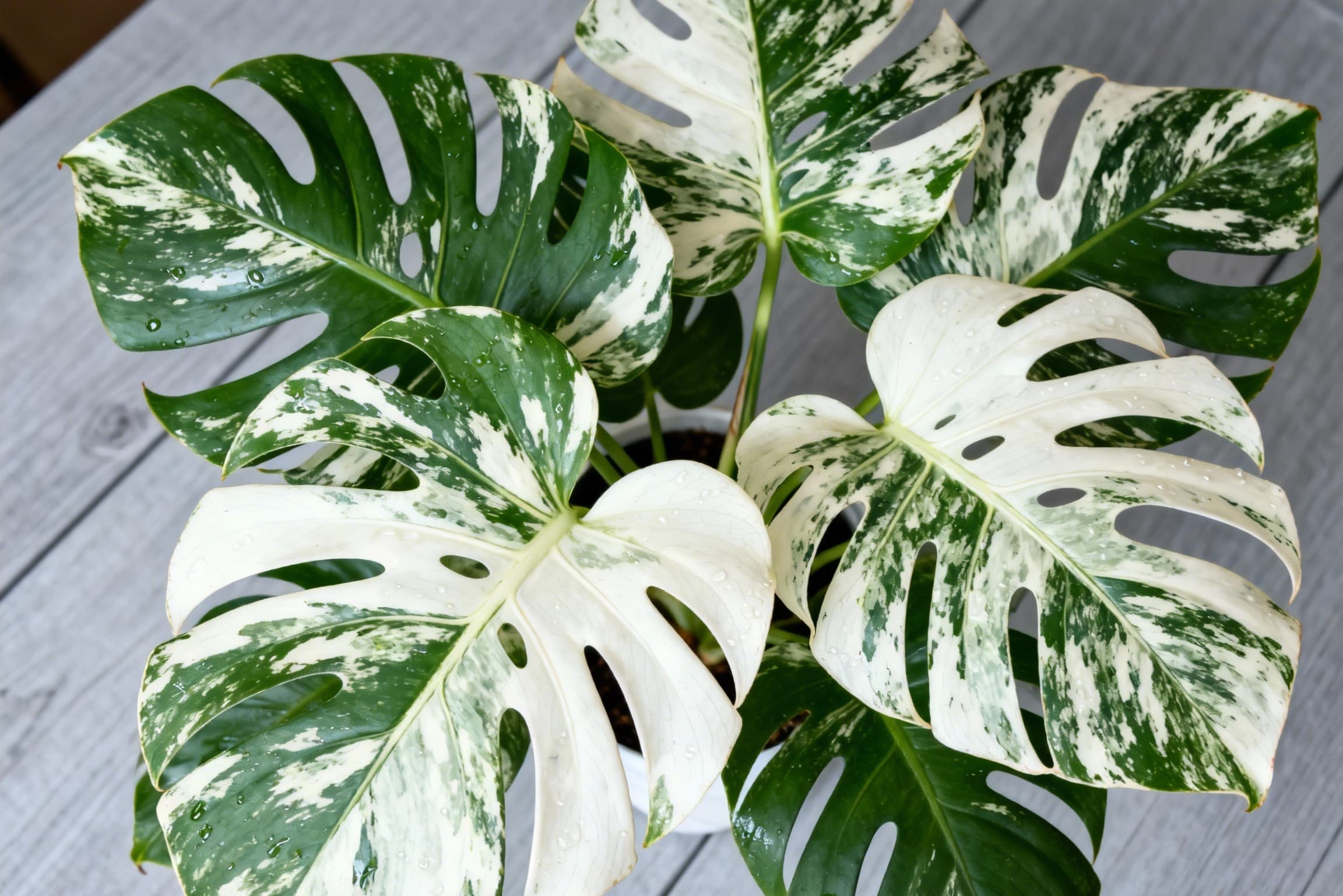
Part 1: Understanding Your Albo (It's Literally a Genetic Gamble)
Before you do anything else, you need to understand what you're actually growing. The Monstera Albo isn't a stable plant species. It's a mutation—a genetic accident that happened to be incredibly beautiful.
The Variegation Mystery
The white sections on your Albo's leaves exist because of a genetic mutation that prevents chlorophyll production in those areas. Here's the critical part: this mutation is unstable. It doesn't get passed down perfectly through propagation.
What does this mean for you? Every new leaf your plant produces is essentially a genetic lottery. You might get:
- Heavy variegation – Mostly white with green accents. Stunning, but photosynthetically challenged.
- Balanced variegation – The sweet spot. Enough white for visual impact, enough green to keep the plant healthy.
- Reverting – A new leaf that comes out completely green, with zero white. Your plant is "reverting" to its original form.
- Ghost leaves – Leaves that are almost entirely white. These will die regardless of care because they literally cannot photosynthesize.
Why this matters: If your Albo keeps producing green leaves, you need to prune them off. I know, it seems brutal. But here's the logic: those green shoots have a competitive advantage. If you let them keep growing, the plant's genetics will eventually shift, and you'll have a full green Monstera. That's not what you paid for.
Look at the stems when you're propagating or examining new growth. The stems contain the genetic information. Heavily marbled stems? That's where your good variegation genes live. Solid green stems? That's the reversion staring you in the face.
Albo vs. Thai Constellation: Why Your Albo is Harder
You've probably heard about Thai Constellation as the "easier" variegated Monstera. Here's why: Thai Constellation variegation was created through tissue culture in a laboratory. It's stable, consistent, and predictable.
Your Albo? Natural mutation. Wild card. Needs active management.
Part 2: Light – The Non-Negotiable Foundation
This is the single most important factor. Get this wrong, and nothing else matters.
Why Light Matters So Much for Albos
Here's the brutal reality: the white portions of your Albo's leaves cannot photosynthesize. They contain zero chlorophyll. That means your plant is essentially running on partial energy from day one.
Compare this to a regular green Monstera that can photosynthesize 100% of its surface area. Your Albo might only be getting 40-60% of the light conversion efficiency, depending on variegation ratio.
This is why Albos brown at the edges. This is why they grow slowly. This is why light isn't optional—it's fundamental.

The Light Setup That Actually Works
Minimum requirement: Bright indirect light. That windowsill that's "pretty bright"? Probably not bright enough.
Better option: A dedicated grow light. I'm not saying you must have one. But if you want to see consistent growth and vibrant variegation, it makes the difference between an okay plant and a thriving one.
Specific recommendations:
- Sansi 36W Grow Light – Specifically designed for variegated plants. Red and blue spectrum. The investment pays off in growth rate.
- Regular daylight bulbs (5000K) on a 12-hour cycle, placed 2-3 feet away, also work.
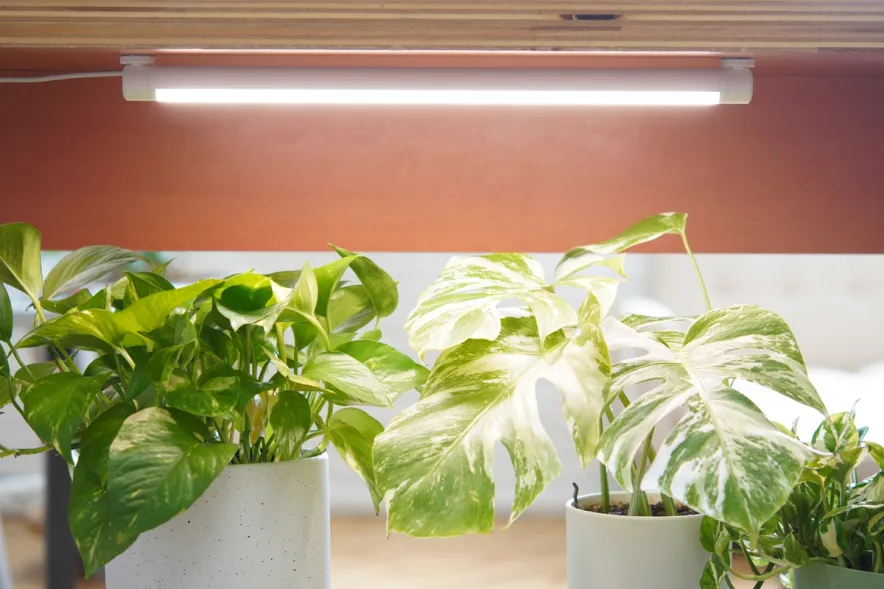
Pro tip from experienced growers: If your Albo gets leggy or the new growth is sparse, light is 90% likely the culprit. Before you blame watering or humidity, add more light for two weeks and observe. The difference is usually dramatic.
Window positioning: If you're using a window, south or west-facing is ideal (in the Northern Hemisphere). East-facing can work but is less intense. North-facing? Probably insufficient unless you supplement with a grow light.
Part 3: Soil – The Difference Between Thriving and Rotting
This is where plant parents fall apart with Albos. Using regular houseplant soil is a death sentence.
Why Chunky Mix is Non-Negotiable
Monstera Albos are aroid plants. They naturally grow as epiphytes on trees in tropical rainforests. In nature, they're not sitting in dense soil—they're clinging to bark and loose, airy growing mediums.
Standard potting soil compacts over time. It holds moisture too long. For an Albo, this means:
- Root rot (the #1 killer)
- Fungal issues
- Stunted growth
- Browning leaves
The Ideal Mix Recipe
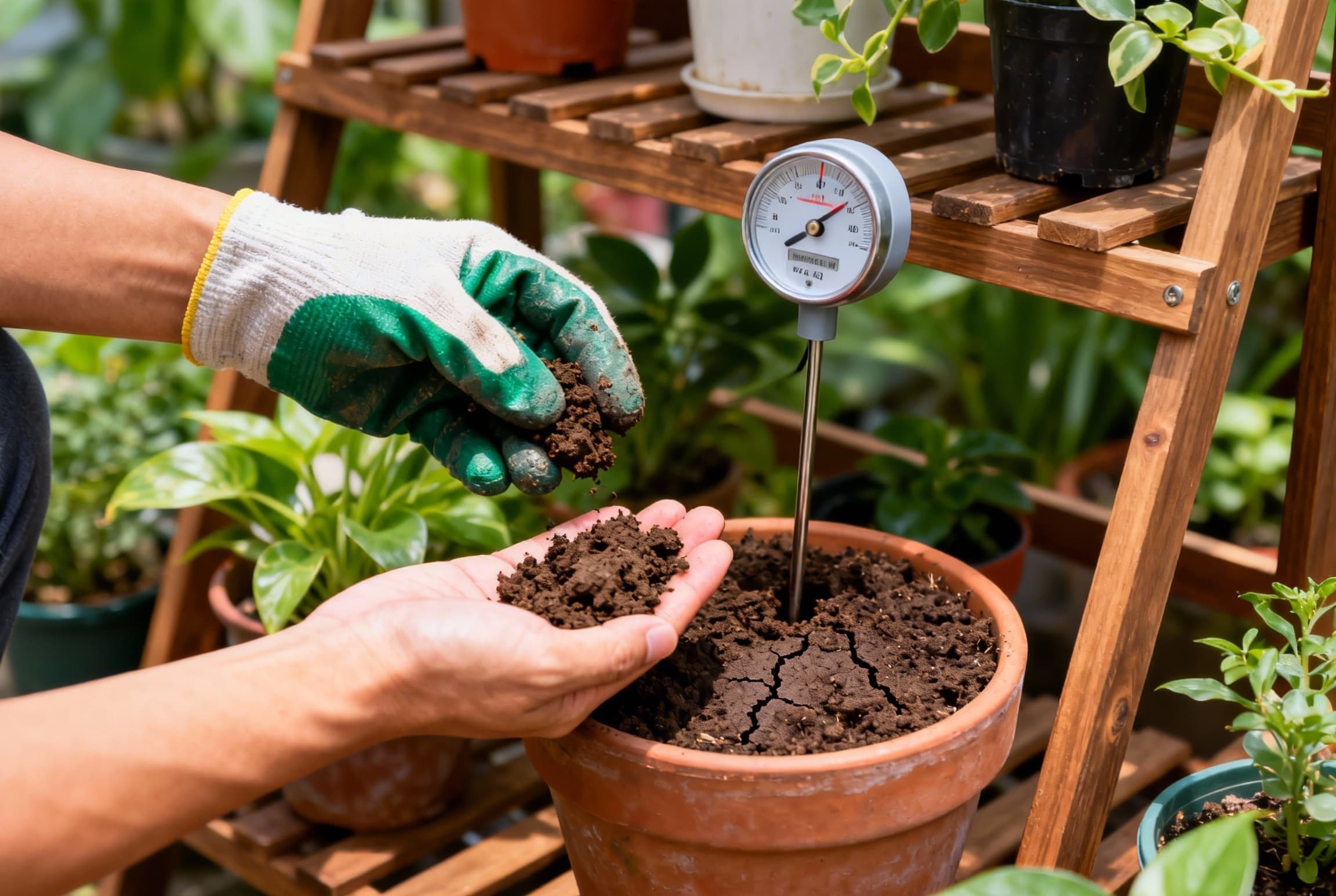
You have flexibility here, but the principle is universal: "squeeze test" – if you moist your soil and squeeze a handful, it should crumble apart immediately. If it forms a ball, you need more grit.
Recommended mix:
- 40% orchid bark (chunky, not fine)
- 25% coco chips or coco husk
- 20% perlite (or pumice if you can find it)
- 10% activated charcoal (prevents odors and microbial issues)
- 5% coco coir (just enough to hold minimal moisture)
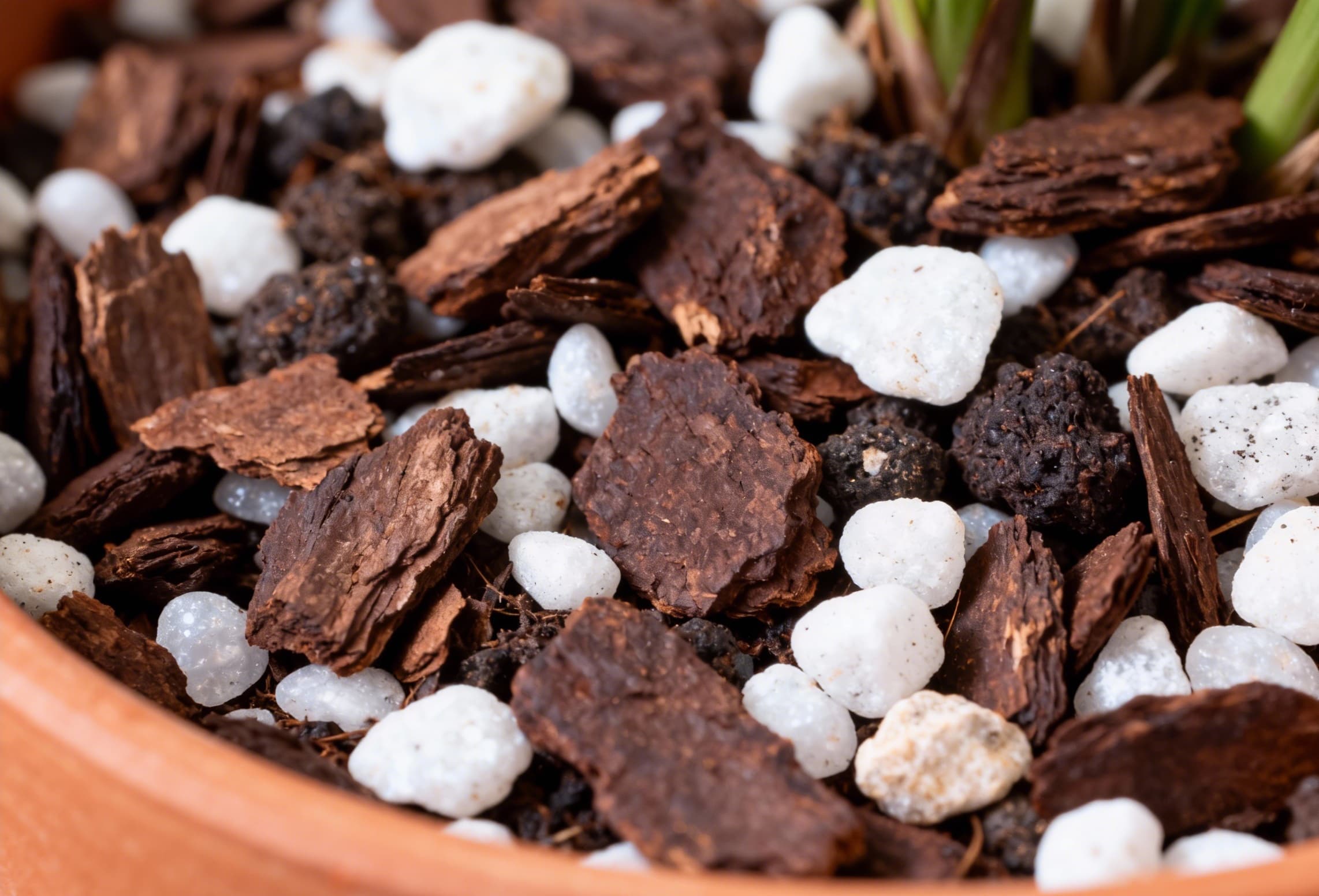
Simplified version (if the above sounds overwhelming):
- 1 part potting soil
- 1 part orchid bark
- 1 part perlite
The key is the ratio of chunky materials to fine soil. Experiment and adjust based on how your plant responds.
PON Semi-Hydro (The Unconventional Option)
If you've had repeated root rot issues, PON (porous natural clay aggregate) combined with semi-hydro watering is chef's kiss. It's virtually impossible to cause root rot. The downside? It requires different watering habits and might be overkill if you're just starting.
Part 4: Watering – The Nuance Most People Miss
"Water when top inch is dry" is garbage advice for an Albo.
The Real Watering Logic
Your chunky soil drains quickly. This means:
- Water doesn't sit around causing rot
- But water also doesn't stay available for the roots between waterings
The actual strategy: Water thoroughly (until water drains from the bottom) when the top half of the soil feels dry. Not "barely moist"—actually dry to the touch.
Timing: This usually means once a week during growth season (spring/summer), and less frequently in winter. But honestly? Check the soil. Temperature, humidity, pot size, and drainage all affect timing.
The Seasonal Shift
Winter is when most plant owners kill their Albos by overwatering during dormancy. Your plant is barely growing. It doesn't need much water. Back off the frequency by 30-50%.
Critical tip: Never fertilize a dry plant. Always water first, wait 30 minutes, then fertilize. Feeding a parched plant is like taking vitamins on an empty stomach—useless at best, damaging at worst.
Part 5: Humidity – The Overrated Factor
Prepare for a controversial take: humidity isn't as critical as everyone says.
The Reddit Reality Check
Experienced Albo growers consistently report keeping their plants in 30-40% humidity with zero issues. The browning people blame on "low humidity" usually has different culprits:
- Insufficient light (most common)
- Inconsistent watering (forget a cycle, the white leaves brown)
- Poor soil drainage (waterlogged roots can't absorb water properly, paradoxically causing browning)
That said, consistency matters more than the absolute number. If your plant comes from a high-humidity nursery and you suddenly put it in 30% humidity, expect some leaf damage on existing foliage. New growth will acclimate.
If You Want to Boost Humidity (Not Necessary, But Nice)
- Pebble tray: Pot sits on pebbles in water. Simple, passive, effective.
- Humidifier: Useful if you live in a desert climate. Helps other plants too.
- Grouping plants: Creates a microclimate of higher humidity.
Avoid misting. Myth debunked: misting doesn't meaningfully raise humidity. It just wets the leaves, creating perfect conditions for fungal issues on variegated tissue.
Part 6: Temperature – Keep It Cozy
Your Albo wants tropical conditions, not Antarctic.
The Safe Range
Ideal: 65-80°F (18-27°C) Minimum tolerance: 55°F (13°C) – Below this, growth stops and damage begins Never expose to: Cold drafts, direct heater airflow, sudden temperature drops
Practical implications:
- Keep it away from AC vents in summer
- Don't place near windows in winter if temperatures dip
- If your home gets below 55°F regularly, you need to think about where you're placing this plant
Cold stress is cumulative. One cold night won't kill it. Consistent exposure to 50°F will.
Part 7: Fertilizing – More Isn't Better
This is where enthusiasm kills plants.
The Feeding Schedule
Growing season (March-September): Balanced liquid fertilizer (20-20-20) at half strength every 4 weeks.
Off-season (October-February): No fertilizing. Your plant needs rest.
Critical Rules
- Never feed dry soil. Water first, let it absorb, then apply fertilizer.
- Wait a month after repotting. The new soil has nutrients.
- If new growth is slow, don't overfeed. Add light instead.
- Brown leaf tips? You're overfeeding. Flush the soil with plain water and back off.
Pro move: Some growers add silica (Bloom City brand, 5ml per gallon of water) to their fertilizer mix during growth season. It strengthens cell walls and significantly reduces browning of variegated sections.
Part 8: The Browning Problem – Your Albo's Kryptonite
Your Albo's white sections are gradually browning. This is the #1 panic-inducing issue. Here's the truth:
Why It Happens
- Insufficient light (40% of cases) – The white tissue, starved of energy, starts to senesce.
- Dehydration (35%) – Plant can't transport water efficiently due to damaged roots.
- Poor drainage/root rot (20%) – Roots can't absorb water, plant compensates by withdrawing moisture from leaves.
- Silica deficiency (5%) – Unlikely but possible.

How to Fix It (In Priority Order)
- Increase light immediately. Add a grow light if you're using windows.
- Check soil moisture consistency. If it's staying wet, upgrade to chunkier mix and repot.
- Verify drainage holes exist. Seriously.
- Supplement with silica if the above don't work.
The browning you see on existing leaves? That's probably too late to reverse. Focus on preventing it on new growth.
Part 9: Propagation – Growing Your Money Back
Your Albo is expensive. Propagation is how you multiply your investment (and share with friends who will forever owe you).
Water Propagation vs. Sphagnum Moss
Water propagation:
- Pros: Fastest to see roots, easy monitoring
- Cons: Transition to soil can shock the cutting; bacteria can develop
Sphagnum moss:
- Pros: Roots are better adapted to soil from day one; lower rot risk
- Cons: Slower to see progress
Real talk: Most experienced growers prefer moss for Albos specifically because of root rot risk in water.
The Process (Moss Method)
- Take your cutting – Choose a node with variegation. Let the cut dry for 2-3 hours before processing.
- Prepare moss – Soak sphagnum moss, squeeze out excess water.
- Wrap the node – Wrap damp moss around the node, place in a clear cup, fill around with more damp moss.
- Bright indirect light – Not direct sun. The cutting is sensitive.
- Keep moss consistently moist – Check twice a week. Spritz if dry, but don't waterlog.
- Patience – Roots appear in 3-6 weeks depending on conditions. Use a clear container so you can peek without disturbing.
The Genetic Lottery During Propagation
Remember those stem genetics we discussed? Pay attention during propagation:
- Cutting from marbled stem = higher chance of variegated growth
- Cutting from green stem = higher chance of reverting to all-green
If you're propagating specifically for variegation, choose your cutting source wisely.
Part 10: Repotting – When and How
Your Albo doesn't need frequent repotting. Every 2-3 years is typical once it's mature. Repot when:
- Roots are circling the pot
- Growth has noticeably slowed
- The soil is breaking down (becomes compacted)
The Repotting Process
- Choose pot size – Only one size up (e.g., 6" to 8"). Oversizing causes soil to stay too wet.
- Prepare new soil – Your chunky mix, pre-dampened.
- Gentle extraction – Don't yank. Run a knife around the inside of the pot to loosen. The goal is to keep the rootball intact.
- Don't aggressively disturb roots – This is key. Just place the root ball in the new pot and backfill around it.
- Firm gently, don't compact – You want it stable but not squeezed.
- Water thoroughly – Let it drain completely.
- Wait before fertilizing – At least one month before adding any food.
Timing: Spring/early summer is optimal. Avoid repotting in winter.
Part 11: Pests and Problems (Prevention is Easier Than Treatment)
Your Albo is attractive to pests because those beautiful variegated leaves are full of nutrients.
Common Pests
Fungus gnats: Indicate consistently moist soil. Solution – let soil dry out more, use mosquito bits or sand topping.
Mealybugs: White cottony clusters on stems. Treat with isopropyl alcohol on a cotton swab.
Spider mites: Fine webbing, stippling on leaves. Worst in low humidity. Spray with water, use neem oil if severe.
Prevention
- Check new plants before introducing to your collection
- Don't overwater – This prevents fungal conditions that attract pests
- Inspect regularly – Catch issues early
- Isolate infected plants – Don't let it spread
Part 12: Variegation Maintenance – Your Active Role
Keeping your Albo variegated requires intervention.
The Pruning Strategy
Every time a new leaf unfurls:
- If it's heavily variegated? Great, let it grow.
- If it's completely green? Prune it off at the node. This signals the plant that reversion is happening and encourages lower nodes to try again with better genetics.
- If it's ghost leaf (all white)? Remove immediately – it will die anyway.
This might seem aggressive, but it's how you prevent your expensive Albo from becoming a boring green Monstera.
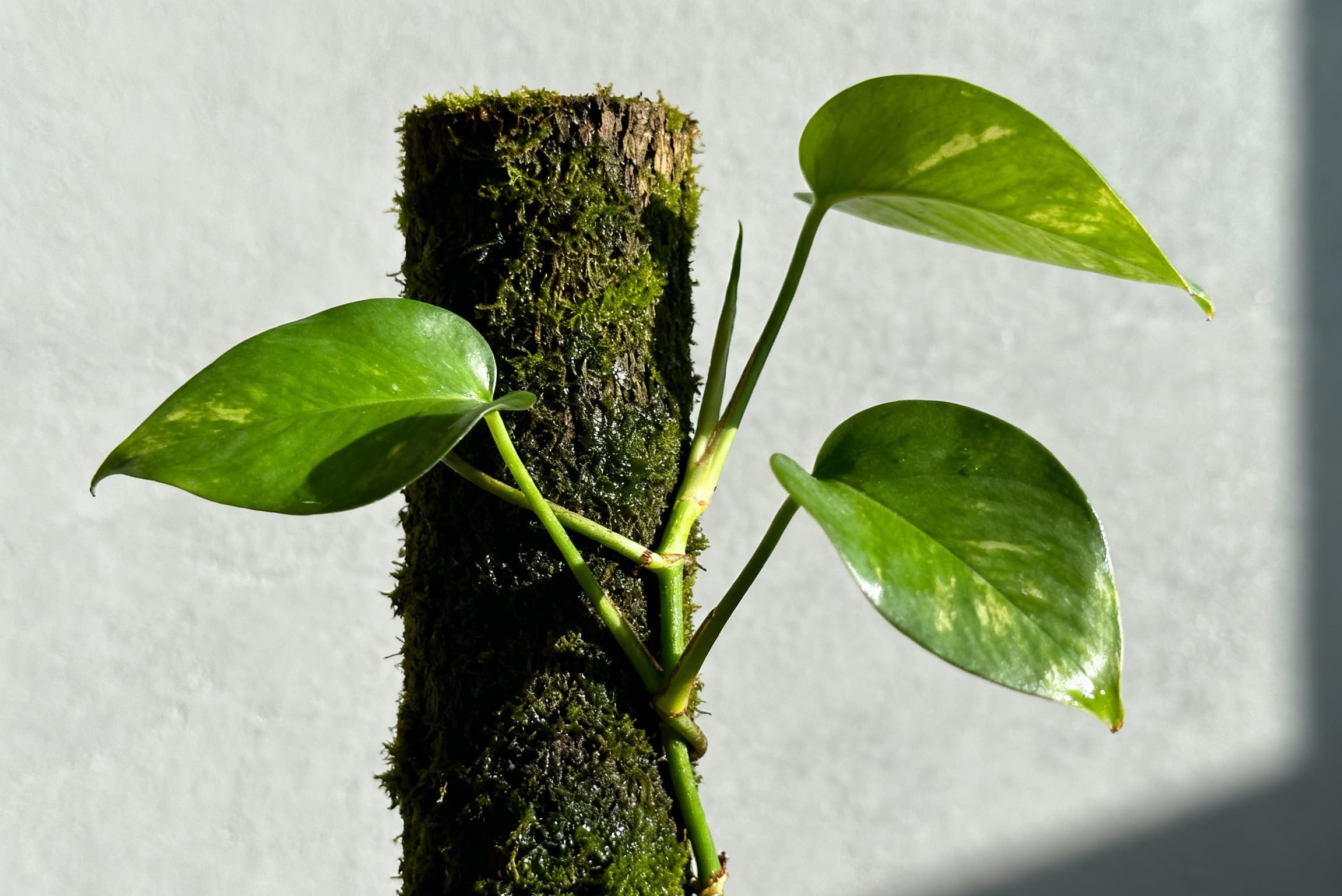
Using a Moss Pole
As your plant matures, using a moss pole (sphagnum moss affixed to a sturdy pole) encourages natural climbing behavior. New leaves grow larger on climbing plants. If you want those show-stopping 12-16 inch leaves with major variegation, a moss pole helps immensely.
Part 13: The Growth Rate Reality Check
Your Albo grows slowly. Accept this now.
A healthy Monstera Deliciosa might produce a new leaf every 2-3 weeks. Your Albo? Expect 4-8 weeks between leaves depending on conditions. This is partly because the white tissue has reduced photosynthetic capacity.
This is normal. Don't panic. The growth you're seeing is exactly what success looks like.
Conclusion: You've Got This
The Monstera Albo isn't a plant for passive plant parents. It's not going to tolerate neglect. But if you give it:
- Bright light (non-negotiable)
- Chunky, well-draining soil (non-negotiable)
- Appropriate watering (weekly check-ins, not set-it-and-forget-it)
- Active variegation management (pruning reverted growth)
- Patience (it's a slow grower)
...then you'll have one of the most stunning plants in your collection. Those $500-plus plants everyone has? They earned that price because they're genuinely special. And now you know exactly why.
Keep that Albo thriving. Photograph it. Make friends jealous. You've entered the collector's club.
Welcome to the obsession.